Knowledge on Elbow Dysplasia in Dogs: Identification and Care
Elbow dysplasia constitutes a common skeletal problem in dogs, predominantly in certain breeds. It transpires through multiple symptoms, featuring limping and swelling. Comprehending its causes and signs remains crucial for prompt intervention. Reliable diagnosis and a collection of treatment options prove important for enhancing a dog's well-being. Still, effective care transcends therapy alone. Investigating nutrition and preventive measures can markedly influence outcomes. What are the key considerations that pet owners should contemplate?
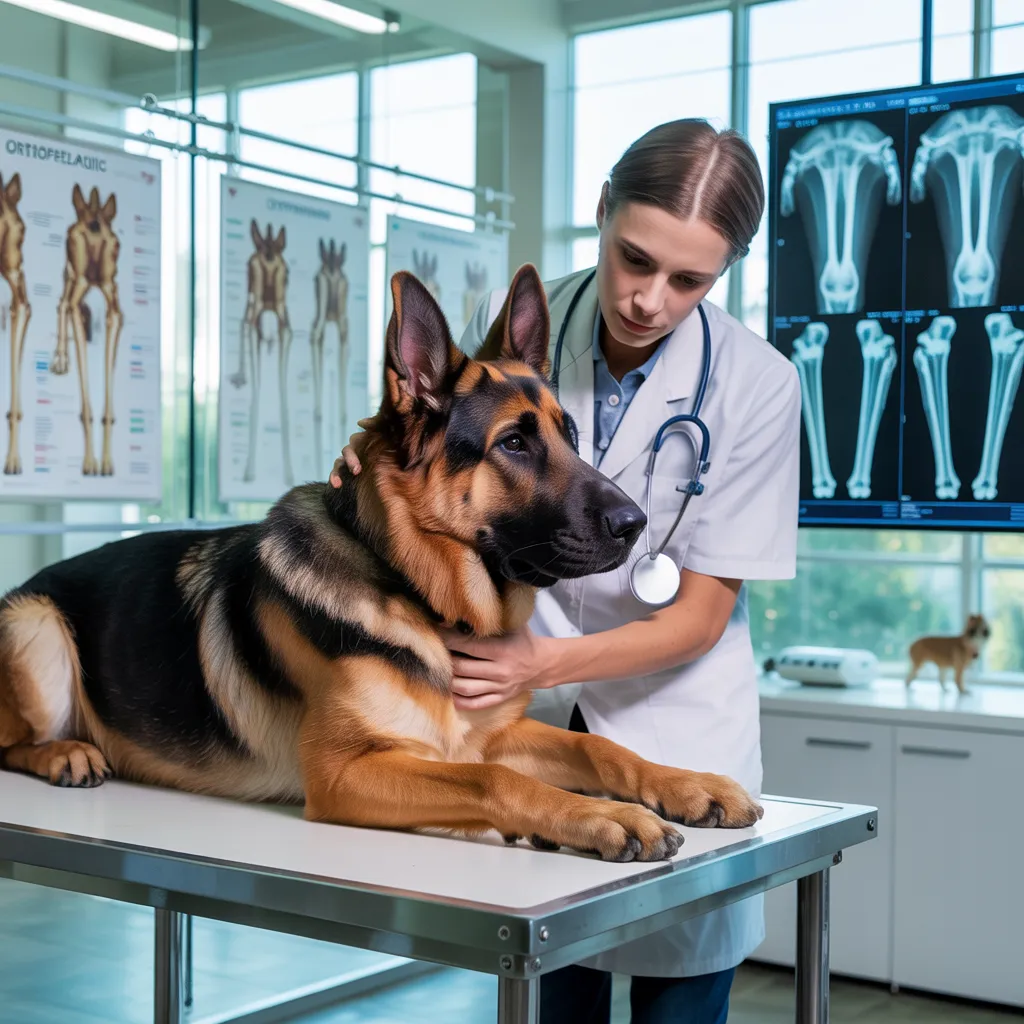
Defining Elbow Dysplasia and the Factors Behind It?
Elbow dysplasia is a prevalent musculoskeletal condition affecting dogs, characterized by abnormal development of the elbow joint. This condition usually arises from a blend of genetic, environmental, and developmental factors. Certain breeds, such as Labrador Retrievers and German Shepherds, are predisposed due to inherited traits that impact joint formation. Rapid growth during the puppy stage, paired with excessive weight, can exacerbate the condition, leading to improper alignment of the elbow joint components.
In addition, elements like nutritional imbalances may be instrumental in the development of elbow dysplasia, particularly when puppies consume abundant calories or specific nutrients. Injuries or trauma to the elbow during critical growth periods may also affect the onset of this condition. Comprehending these causes is important for breeders and dog owners, as prompt action can help minimize the risks associated with elbow dysplasia and encourage healthier joint development in dogs.
Recognizing the Indicators of Elbow Dysplasia in Your Dog
Spotting the symptoms of elbow dysplasia in dogs is essential for early intervention. Typical symptoms include limping and hesitation to engage in physical activities, find here while behavioral shifts may present as increased irritability or withdrawal. Additionally, physical signs of pain, such as swelling or stiffness in the elbow joint, demand immediate attention from a veterinarian.
Regular Symptoms to Notice
How can a dog owner identify potential complications with their pet's elbows? Common symptoms of elbow dysplasia include clear lameness, especially after exercise or prolonged rest. Owners may detect stiffness when the dog gets up or a hesitation to engage in physical activities like jumping or running. Swelling around the elbow joint can also be a significant indicator. Dogs might show signs of discomfort, such as licking or chewing at the affected area. Additionally, an abnormal range of motion in the elbow can be evident during routine activities. It’s vital for owners to pay attention to these signs closely, as early detection can greatly influence treatment options and overall quality of life for the dog.
Behavioral Modifications to Note
When a dog starts to endure discomfort due to elbow dysplasia, slight behavioral variations may manifest that pet parents should be mindful of. Increased irritability or restlessness can signal deep-seated discomfort, as the dog may become less tolerant of handling or play. Additionally, dogs might exhibit hesitation to participate in activities they once enjoyed, such as fetching or running, reflecting their discomfort. Variations in sleep habits, including increased sleep or challenge locating a restful spot, may also be observed. Moreover, a dog may pursue isolation, electing to withdraw from family members or other pets. Recognizing these behavioral shifts is vital for early intervention and can help in managing the condition effectively.
Visible Physical Signs of Pain
Identifying the physical signs of pain in a dog with elbow dysplasia is vital for timely intervention. Typical symptoms include limping, unwillingness to participate in physical activities, and difficulty getting up from a resting position. Dogs may also exhibit discomfort when the affected elbow is touched or manipulated. Swelling around the joint serves as another visual sign, together with a changed posture, where the dog might favor one leg over the other. Furthermore, increased vocalizations, such as whining or growling during movement, can signal pain. Observing these signs is crucial, as early detection can lead to effective management and care, ultimately enhancing the dog's quality of life. Routine veterinary check-ups are recommended to evaluate joint health.
Understanding Diagnosis of Elbow Dysplasia in Dogs?
The diagnosis of elbow dysplasia in dogs involves a combination of observation of clinical signs and examination procedures performed by veterinarians. Diagnostic imaging techniques, such as X-rays, are crucial in verifying the presence of irregularities. Accurate diagnosis is vital for effective treatment and management of the condition.
Clinical Signs Assessment
While watching a dog suspected of elbow joint disease, several indications can develop, showing the presence of this issue. Commonly, the dog may display limping, particularly after physical activity, which can present as a hesitation to engage in exercise. Swelling around the elbow joint might be apparent, and the dog may show pain signals when the joint is touched. Additionally, rigidity, especially after inactivity, can be evident, along with irregular gait styles. The dog may also adopt a "double-suspensory" stance, favoring one leg over the other. Behavioral changes, such as increased grumpiness or withdrawal from play, may occur due to unease. Recognizing these signs is crucial for timely intervention and management.
Diagnostic Imaging Techniques
Correct diagnosis of elbow dysplasia in dogs frequently relies on various imaging modalities. Radiography, or X-rays, is the most frequently used method for visualizing the elbow joint, enabling veterinarians to identify abnormalities such as fragmentation of the medial coronoid process or osteophyte formation. In some cases, sophisticated imaging methods like computed tomography (CT) or magnetic resonance imaging (MRI) may be utilized for a more detailed assessment, particularly when soft tissue involvement is suspected. These methods help determine the extent of the disease and planning appropriate treatment. Additionally, the use of contrast agents during imaging can enhance visualization of joint structures, facilitating the detection of subtle lesions that may not be visible on standard X-rays.
Veterinary Examination Methods
Veterinarians commence the diagnosis of elbow dysplasia in dogs through a exhaustive clinical examination. This process generally includes a detailed evaluation of the dog's medical history, focusing on any signs of lameness or discomfort. During the physical examination, veterinarians evaluate range of motion, touch the elbow joint for pain, and observe the dog's gait. If abnormalities are spotted, further diagnostic imaging, such as X-rays, may be encouraged to visualize the joint structures. Advanced imaging techniques, like CT scans or MRIs, can provide additional insights into the condition. By uniting clinical findings with imaging results, veterinarians can exactly diagnose elbow dysplasia, making possible a tailored treatment plan that addresses the specific needs of the affected dog.
Learning About Treatment Options for Elbow Dysplasia
Elbow dysfunction in dogs presents various treatment options intended to alleviating pain and improving joint function. These options may include supportive care, such as maintaining healthy weight and therapeutic treatment, which can help reduce stress on the affected joint. Non-copyrightal anti-inflammatory drugs (NSAIDs) are often prescribed to manage pain and inflammation.
For serious cases, operative treatments might be needed. Procedures such as arthroscopy can be performed to remove loose fragments or repair damaged cartilage, while more complex surgical options may involve joint stabilization. Post-operative care is important and may encompass a individualized recovery program to enhance mobility.
In some instances, alternative therapies, such as acupuncture or laser therapy, may be considered to support traditional treatment methods. Ultimately, treatment plans should be adapted to each dog's specific needs, taking into account the severity of the dysplasia and the dog's overall health status.
How to Manage and Prevent Elbow Dysplasia
Controlling and managing elbow dysplasia involves a proactive approach that emphasizes a dog's overall health and physical condition. Routine veterinary check-ups are essential for prompt detection and intervention. Keeping a balanced exercise routine helps building the muscles around the elbow, promoting joint stability. Partaking in low-impact activities, such as swimming and controlled leash walks, diminishes stress on the joints while still supplying necessary physical activity.
Proper instructional methods can also help manage a dog's motion habits, reducing the risk of harm. Additionally, it is crucial to track a dog's development, especially in large breed puppies, as quick development can exacerbate joint issues. Initial social exposure and controlled play can foster beneficial habits and reduce the likelihood of aggressive playing that might stress the elbows. Overall, a thorough management plan that includes regular veterinary consultations and appropriate exercise can substantially help to averting elbow dysplasia in dogs.
Nutrition and Body Mass Management for Managing Elbow Dysplasia
A properly balanced diet is essential in the care of dogs with elbow dysplasia. Proper nutrition supports joint health and can help address inflammation, which is critical for affected dogs. High-quality protein sources, healthy fats, and essential vitamins and minerals are fundamental components. Omega-3 fatty acids, found in fish oil, may reduce joint inflammation and pain.
Weight control is equally essential, as excess weight places additional pressure on the joints, aggravating symptoms of elbow dysplasia. Maintaining an ideal body condition can elevate mobility and quality of life. Regular assessment of a dog's weight and limiting food intake, along with controlled portions, is encouraged.
Using joint support products like glucosamine and chondroitin can provide advantages, but must be reviewed with a vet. Overall, a tailored nutrition plan can greatly aid in the management of elbow dysplasia, supporting long-term wellness and ease.
When Should you to Talk with a Veterinarian Regarding Elbow Dysplasia?
Recognizing when to visit a veterinarian about elbow dysplasia is vital for ensuring a dog's lifelong health and contentment. Initial indicators such as uneven gait, reluctance to exercise, or difficulty in rising should elicit immediate veterinary attention. Owners should also reach out to professional advice if they witness swelling around the elbow or audible clicking sounds during movement, as these can denote joint instability.
Routine visits are recommended, especially for varieties susceptible to this orthopedic condition, such as Labrador Retrievers and German Shepherds. Veterinarians can offer guidance on suitable diagnostic imaging, which may include X-rays, to confirm the problem and assess its severity.
Furthermore, if a dog's condition deteriorates despite at-home management strategies, such as weight control and modified activity, seeing a vet is essential. Timely intervention can assist in pain relief and improve the dog's overall well-being, potentially preventing additional problems.
Often Posed Questions
Can Elbow Dysplasia Influence All Dog Breeds The Same?
Elbow dysplasia does not affect all dog breeds in the same way; bigger breeds are more often affected. Genetic predisposition and anatomical distinctions play a role in differing vulnerability levels, making certain breeds more inclined to develop this condition than others.
What Age Do Symptoms of Elbow Dysplasia Typically Appear?
Signs of elbow dysplasia typically surface in dogs between four to twelve months of age. Early symptoms may involve lameness, reluctance to exercise, and difficulty in movement, highlighting the importance of timely veterinary evaluation.
Does Elbow Dysplasia Have Genetic Links in Dogs?
Elbow dysplasia in dogs is certainly hereditary, with genetic predispositions often affecting its progression. Various dog breeds are more susceptible, making responsible breeding practices crucial to decrease the occurrence of this disorder in coming generations.
What Effect Does Elbow Dysplasia Have on a Dog's Quality of Life?
Elbow dysplasia significantly impacts a dog's quality of life by causing pain, limiting mobility, and impeding daily activities. Affected dogs may struggle with exercise and social interactions, resulting in reduced overall happiness and well-being.
Are there alternative therapies for controlling Elbow Dysplasia?
Alternative approaches for managing elbow dysplasia include acupuncture, physical therapy, and hydrotherapy. These strategies aim to minimize pain, improve mobility, and strengthen overall well-being, providing complementary choices alongside traditional veterinary treatments for affected dogs.